
Section outline
-
ATTC 042
Outline
The course is as follow
Unit 1- Introduction to auto diagnostics system
Unit 2- Engine performance analysis
Unit 3- Electrical system diagnostics
Unit 4- On board diagnostics (OBD) system
unit 5 - Diagnostics tools and techniques
-
Opened: Tuesday, 31 March 2026, 7:00 PMClosed: Tuesday, 31 March 2026, 9:00 PM
-
Overview
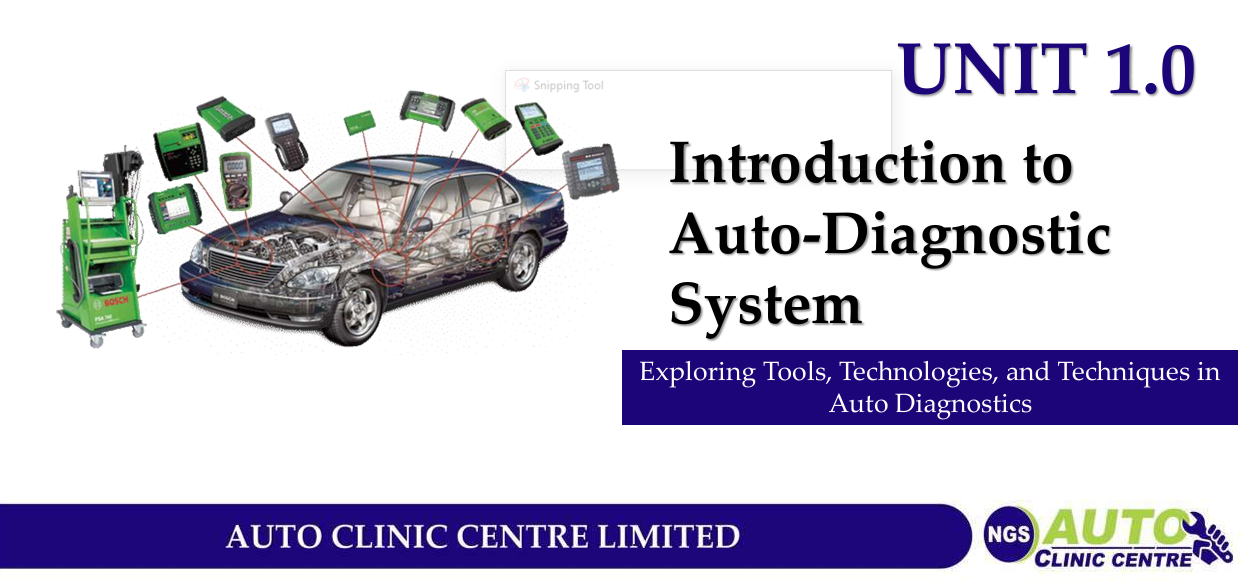
- Auto diagnostic systems are essential for modern vehicle performance, safety, and reliability.
- They serve as the vehicle’s internal monitoring and troubleshooting unit.
- This unit introduces diagnostic system functionality, importance, and technological evolution.
-
Overview
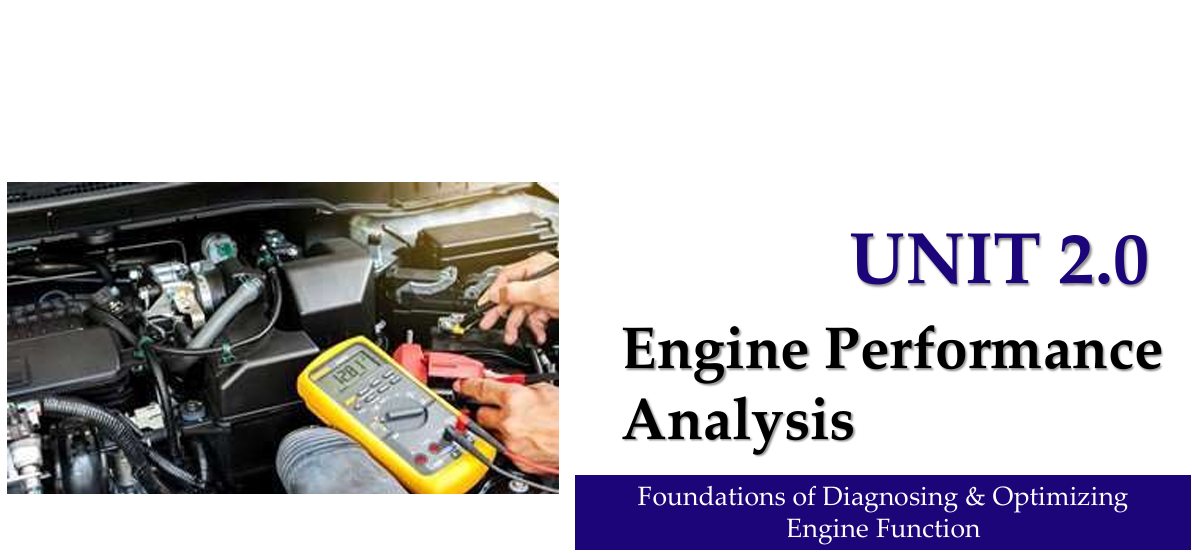
- Engine performance analysis is crucial for maintaining, diagnosing, and repairing automotive engines.
- It focuses on understanding how engines operate, identifying performance issues, and interpreting diagnostic trouble codes to ensure engine efficiency and reliability.
-
Overview
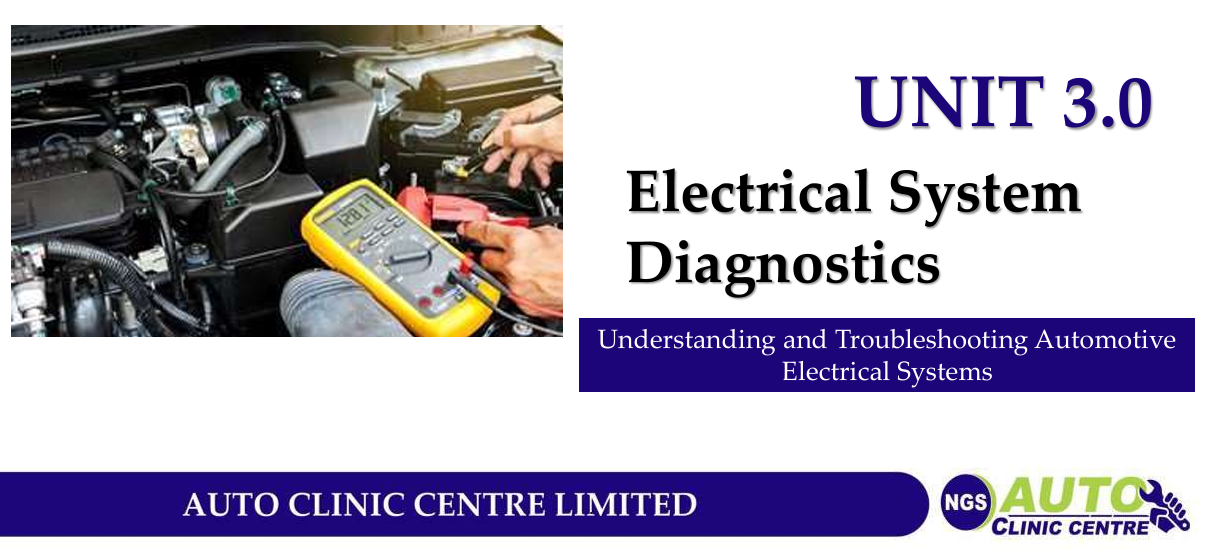
- Electrical systems are the nervous system of modern vehicles.
- Understanding circuitry, components, and wiring diagrams is essential.
- Skills needed include fault identification, analysis, and diagnostic techniques.
- Goal: Equip you with solid diagnostic skills.
-
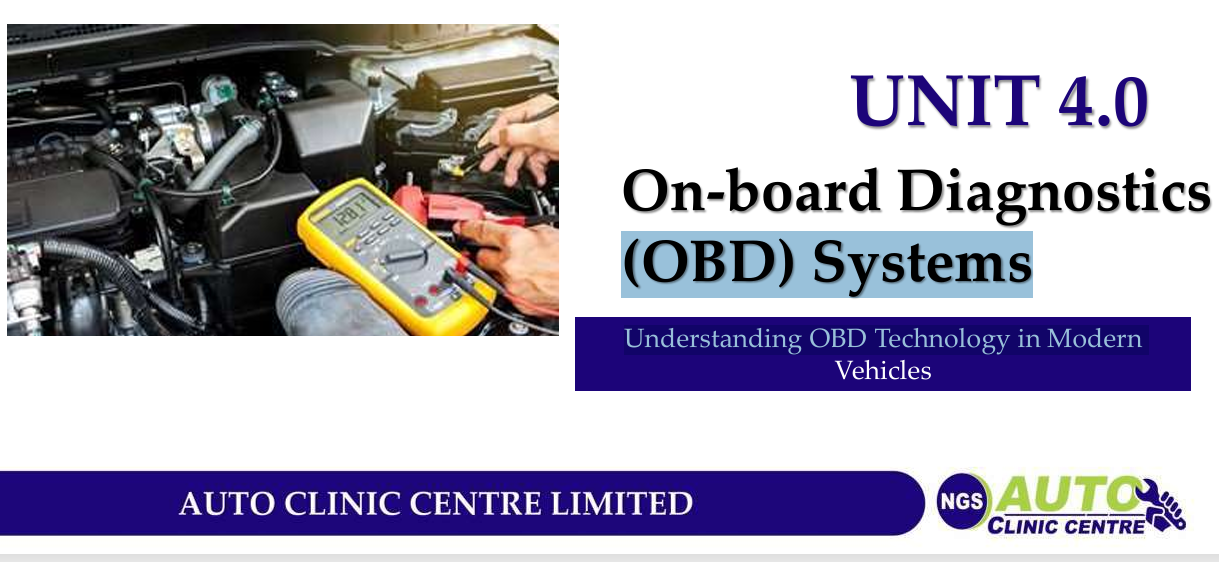
Overview
- OBD systems: a cornerstone in modern vehicle management
- Network of sensors, monitors, diagnostic protocols
Supports
- Performance monitoring
- Emissions compliance
- Proactive maintenance
- Facilitates communication with diagnostic tools
- Standardized by OBD-II protocols
-
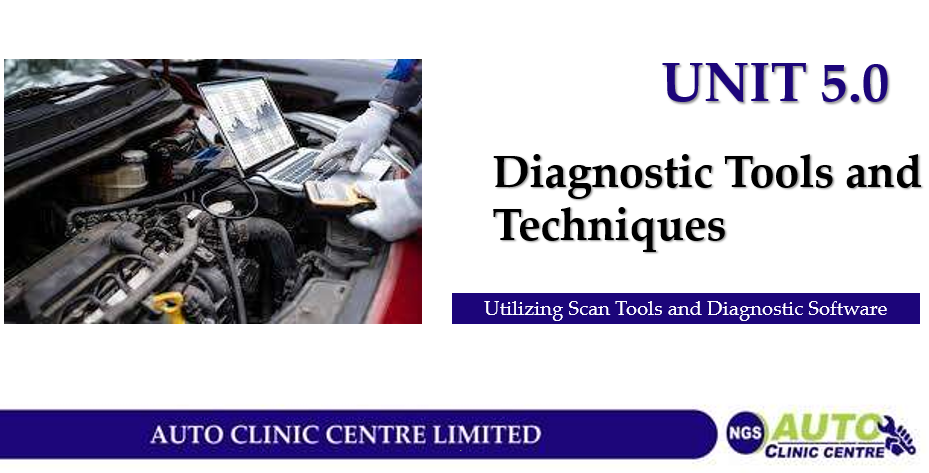
Overview
- Automotive diagnostics use a wide array of tools—from basic to advanced.
Basic Tools
- Multimeters
- Circuit testers
- Vacuum gauges
- Used for assessing electrical and mechanical integrity.